
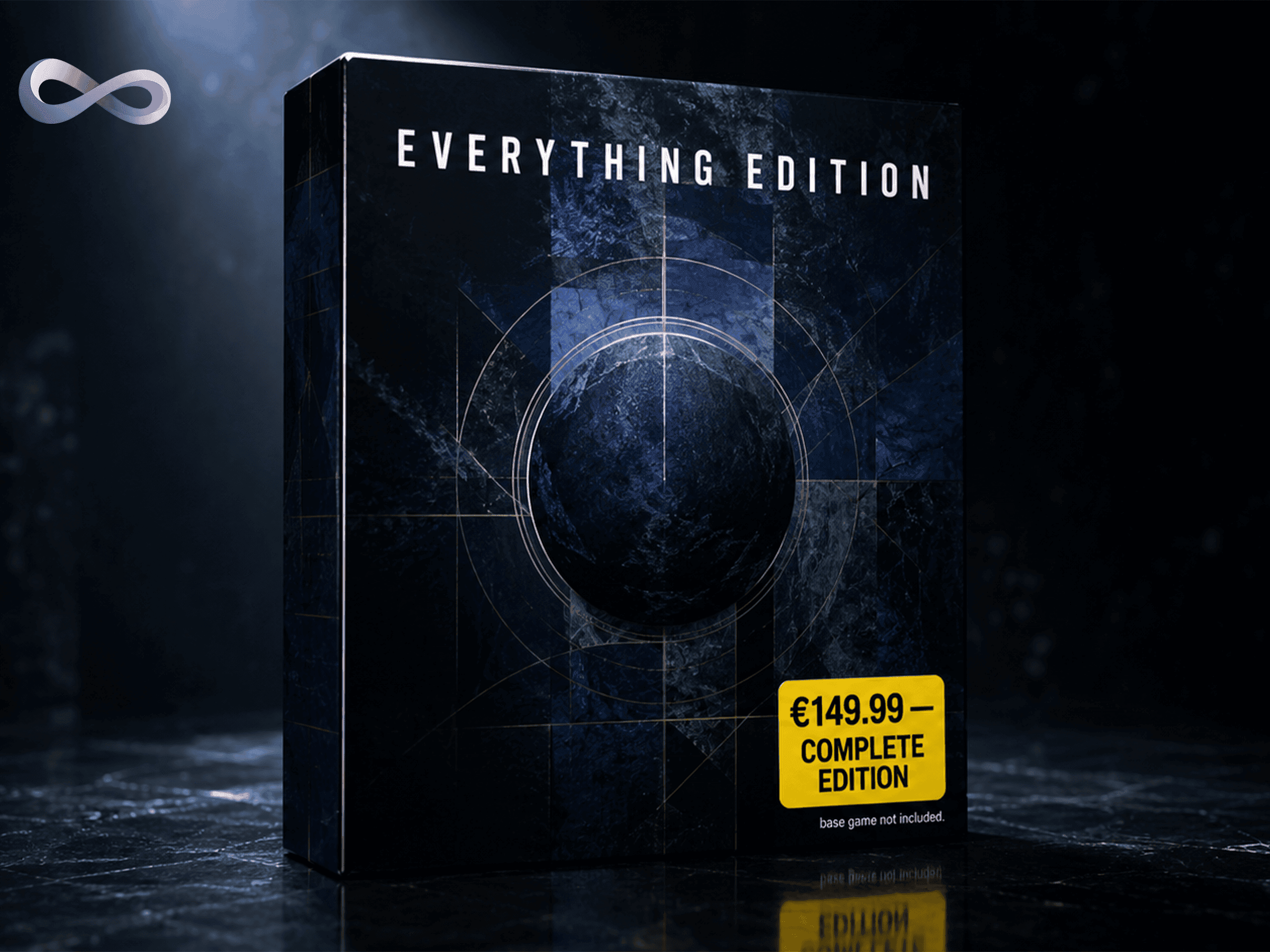
I remember when GTA 5 came out. I was a teenager, and it was going for €65. At the time that felt insane every other game was €40-50, and here's Rockstar charging a premium like it was something special.
To the dismay of my parents at the time, the price tag wasn’t exactly cheap, but it was well worth it.
Open world the size of a small country, three protagonists, more content than you could finish in months, a level of detail nobody had seen before. €65 for that was a bargain in hindsight. That's what a game earning its price tag looks like.
So I want to be clear before I say anything else. I'm not here to argue that games are too expensive by default. If you actually adjust for inflation, a game that cost $50 in the early 90s would cost somewhere around $90-100 today. By that measure, paying €70 for a modern release is actually pretty reasonable historically. And some games today are absolutely worth what they charge. Crimson Desert launched this year with insane dev support, optimization that embarrasses most of the industry, and genuine passion behind it. I bought it, I enjoy playing it, I have zero complaints.
This is about everything that happened between then and now.
It starts in 2006.
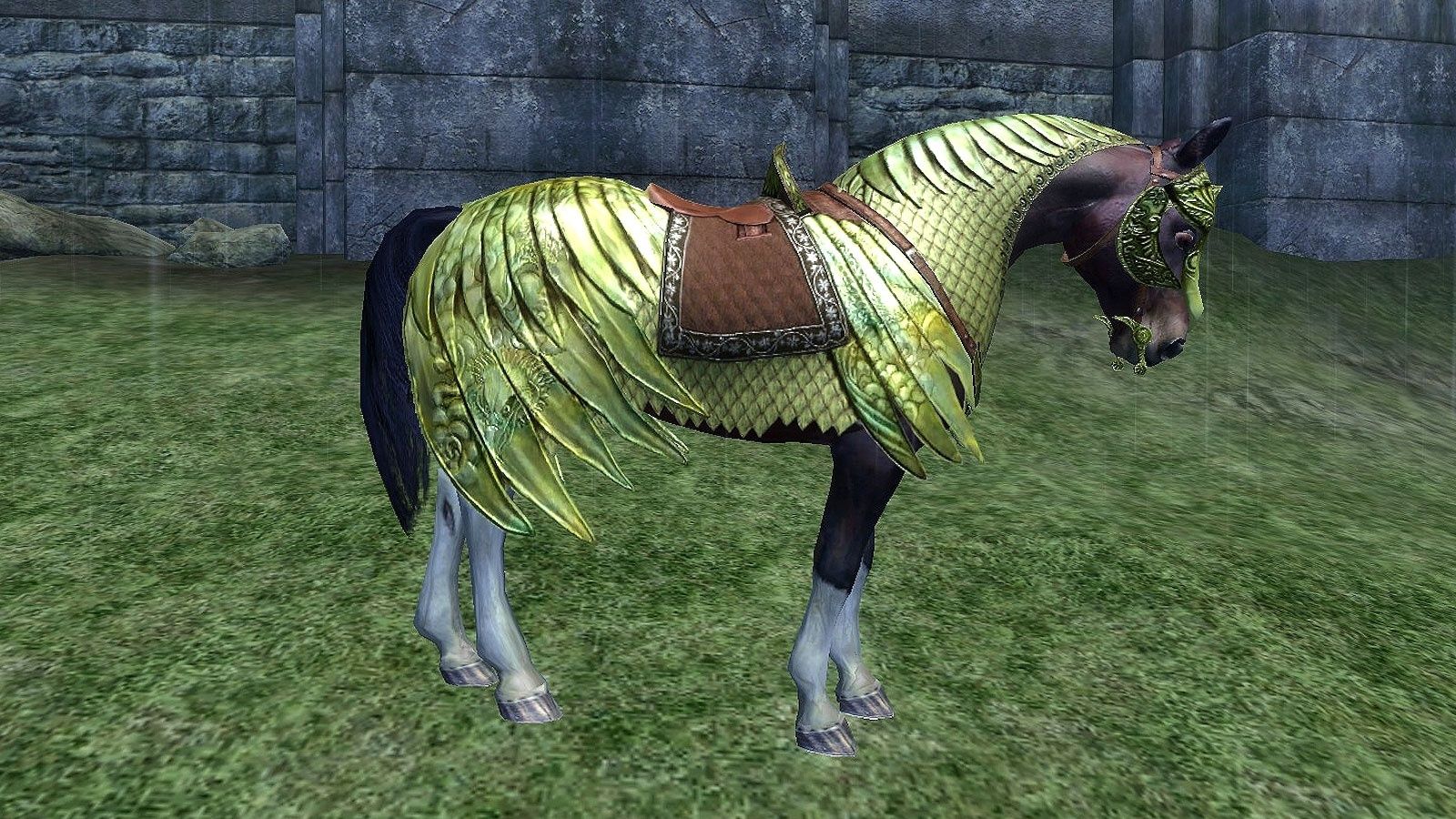
Bethesda released The Elder Scrolls IV: Oblivion and alongside it, something called the Horse Armor Pack. $2.50 for a purely cosmetic change to your horse. People laughed at it. Mocked it. Thought it was a joke that would go nowhere. It wasn't a joke. It was the start of the microtransaction.
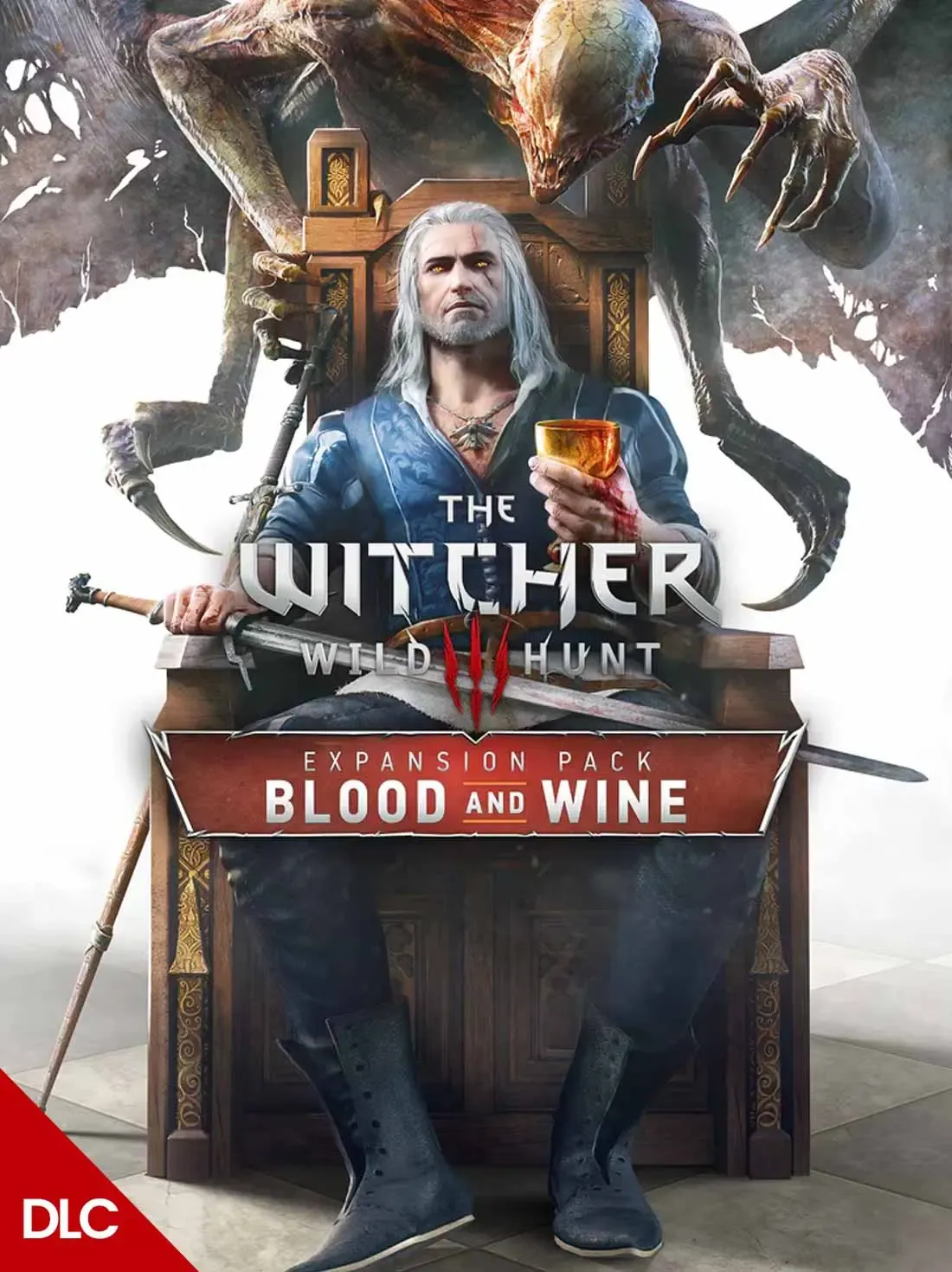
Before that, if you wanted extra content for a game you bought an expansion pack. $20 to $40, hours of meaningful new storylines, areas, missions. Proper additions that felt like they respected your time and money. The Witcher 3 did this years later and set the gold standard. Blood and Wine alone was bigger than most full games. That's what DLC was supposed to be.
But the horse armor sold well enough. And the industry noticed.
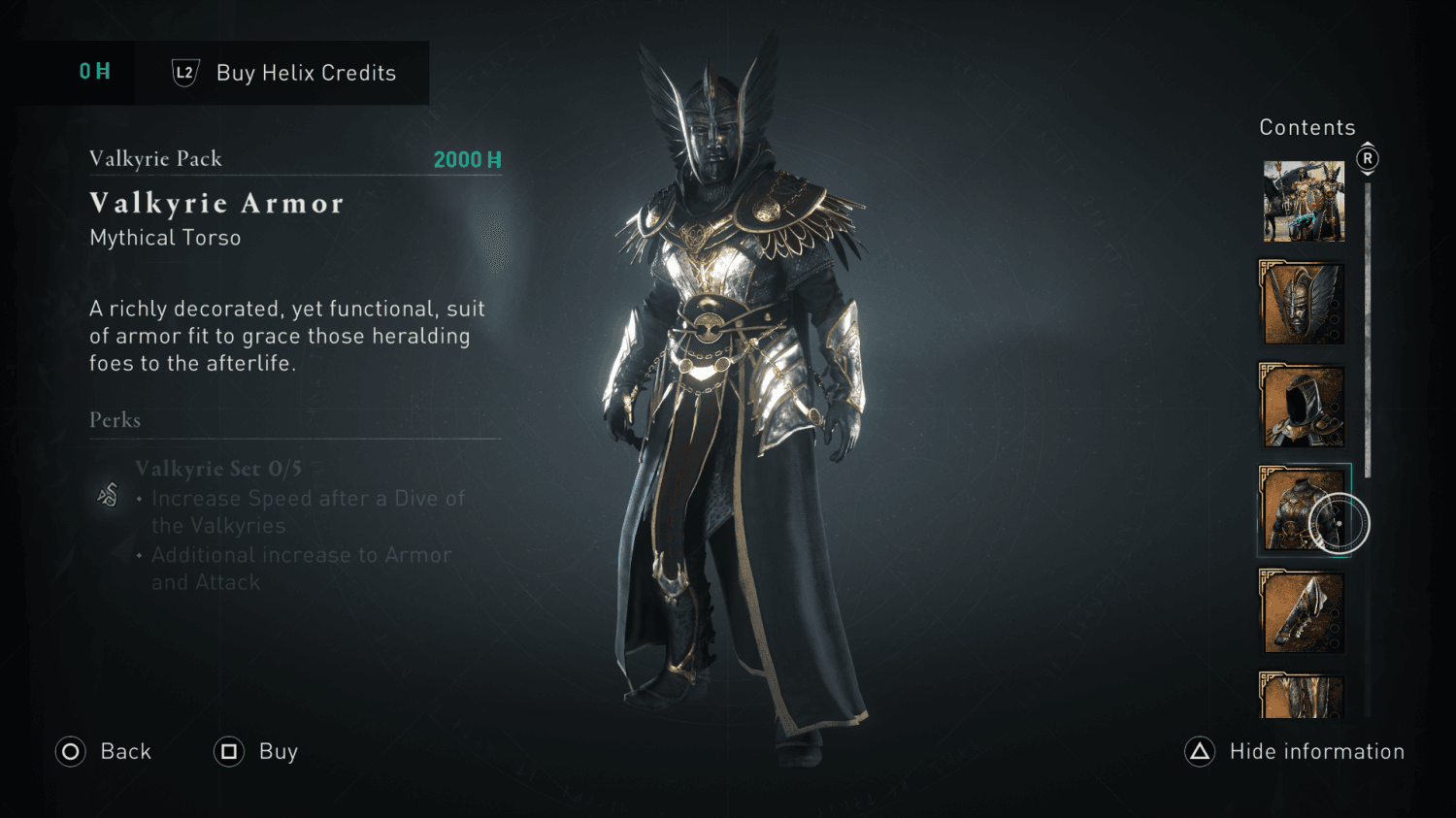
What followed was a slow, deliberate shift from expansion packs to microtransactions, gradually, carefully, always pushing just far enough to see what the market would accept. Weapon skins. Character cosmetics. Loot boxes with random rewards designed around the same psychology as slot machines. Battle passes that reset every few months so you're always chasing something. And then the one that still genuinely baffles me , on-disc DLC. Let me explain, it’s basically content already sitting on your hard drive or on your disc, already downloaded, already part of the game files, locked behind a paywall. You own the disc. The content is literally on it. And they charge you to unlock it.
Interestingly, publishers held the base game price flat at $59.99 for fourteen straight years, from 2006 to 2019. On paper that looked consumer friendly. In reality they were building an entire second revenue layer on top that more than made up for it. The sticker price stayed the same. The actual cost of a complete experience doubled or tripled.
Then there's the digital vs physical problem, which nobody talks about enough.
A physical game has real costs baked into its price. Manufacturing, packaging, distribution, retail margins, logistics. All of that is legitimate and reflected in what you pay. Fine.
A digital copy costs almost nothing to distribute. No disc, no box, no truck, no shelf space. The margins must be enormous. And yet they charge the same price, sometimes more, for a product that comes with fewer rights. No resale value, lending it to a friend or keeping it when the servers go down. Just a simple license to play said game.
Which brings me to the single player cosmetics thing, because this is where I genuinely lose the plot.
Cosmetics in a multiplayer game at least have a logic to them. You're playing with other people, they see your character, there's a social dimension to it. Still debatable whether it's worth the price, but at least the reasoning makes sense.
Cosmetics in a single player game? Nobody sees your character except you. There's no lobby, no other players, no social context whatsoever. It's a €15 skin for an experience that exists entirely in your own head. The only possible justification is that the developer wanted the money and figured some people would pay it. That's it. That's the whole argument. And enough people do pay it that it keeps happening.
None of this means gaming is broken beyond repair. There are still studios making incredible things for fair prices, developers who care more about the work than the quarterly revenue targets. The indie scene is genuinely keeping the soul of this medium alive in a way the big publishers stopped trying to years ago.
But it's worth being honest about the gap between what gaming is and what it could be. A €70 base game with a battle pass, a season pass, cosmetic microtransactions, and a mandatory online subscription to access half its features isn't a €70 game. It's a €70 entry fee to an ongoing extraction machine.
And that machine is aimed squarely at people who grew up loving this hobby, who saved up for months to buy a game because it was the best entertainment they could afford, who remember when paying full price meant actually getting the full thing.
GTA 5 was worth €65, because it was complete.
That used to be the standard. It should still be.
About the Author