
If you've been following Nvidia for the past month and feel like you've lost the plot, you're not alone. In four weeks, the most important chip company in the world lost its founder, lost more than $2.5 trillion in market value, publicly ruled out his return, and then brought him back anyway. On Monday, Jensen Huang walked back in the door as CEO.
Here's what happened, in order, because the order is the whole story. And then let's talk about why the whole thing smells off.
The spark: a "close relationship" in Singapore
On October 29, The New York Times reported that Huang had a close relationship with Alice Huang (no relation), an executive at Megaspeed, a Singapore-based company that buys Nvidia chips. Two days later, The Wall Street Journal reported that intelligence officials in the US, Singapore and Taiwan had reason to believe she might be working for Beijing. China's foreign ministry called the spy allegation groundless and a smear.
An affair is a family matter. An affair between the man who controls the world's AI hardware supply and someone suspected of being a Chinese intelligence asset is a national security matter, especially when that man has spent years lobbying against strict export controls on his own chips.
According to ABC News, President Trump had been briefed on the relationship at least twice before any of this went public: once in fall 2025, and again by Secretary of State Marco Rubio in May 2026, shortly before Huang joined him on a state visit to China. Remember that. It matters later.
The confession
On November 8, Huang sent a memo to staff. "I was unfaithful to my wife," he wrote, apologizing to his family, colleagues, the board and shareholders. He didn't name anyone. The same day, Nvidia's board opened an independent investigation into whether he had been the target of a foreign intelligence effort, and later hired the law firm Wachtell, Lipton, Rosen & Katz to run it.
Reuters later reported, citing internal correspondence, that Huang had misled several senior Nvidia leaders, including general counsel Tim Teter, about the nature of the relationship back in October.
Woman number two. Then woman number three.
On November 11, the Times reported a second affair, this time with Kimberly Powell, Nvidia's vice president of health care and one of Huang's direct reports. That night the board met for hours, and the Journal reported it was preparing to push him out.
On November 12, Nvidia announced Huang had resigned as president, CEO and board member, effective immediately. CFO Colette Kress became interim CEO. Harvey Jones, a board member since 1993, became Nvidia's first-ever board chair. The stock dropped 13% at the open before clawing back to close down 4.3%.
A few hours later, Reuters reported a third relationship, with another Nvidia employee it chose not to name. To be clear: Huang has only acknowledged being unfaithful in general terms. He has not publicly confirmed the reports about either employee.
"We will not reinstate him"
On November 17, hours before Nvidia's earnings call, Huang posted a statement admitting serious mistakes in his personal life, but adding that he'd be honored to return as CEO if the board decided that was best for the company and for America. A "Stand With Jensen" campaign was already gathering steam, and thousands of employees had signed a letter asking for him back.
The board answered at the top of the earnings call. Jones said the board "does not intend to reinstate Jensen as CEO," and that it had hired the search firm Heidrick & Struggles to find a permanent replacement. Kress repeated the same line to CNBC afterward. Prediction markets put Arm CEO Rene Haas and Nvidia's Ian Buck ahead of Huang himself as likely successors.
The results were enormous: $115.8 billion in quarterly revenue, more than double the year before, with a fourth-quarter forecast of around $130 billion. It didn't matter.
The rival company that never existed
Right around here, a new story started doing the rounds: Jensen was going to walk away and build a competitor. Viral posts on X claimed he was raising $50 billion for a brand new chip company, one of them pulling in millions of views. Some versions had Elon Musk bankrolling it.
None of it was real. Huang never said it. No investor, filing or credible outlet reported a fundraise, and fact-checkers traced the clips going around to an unrelated Tokyo event from July. The idea seems to have started with Semafor reporter Rohan Goswami, who said on the Prof G Markets podcast that he expected Huang to eventually raise tens of billions from allies and start something new, but not at Nvidia. That was one journalist's prediction. Within days, the internet had turned it into a "BREAKING."
Real or not, the threat landed. When analysts explained the board's eventual U-turn, one of the reasons they gave was the risk of Huang walking out and taking Nvidia's best people into a competitor. A rumor with no source behind it became part of the pressure on the board.
The week from hell
On November 20, the Times published a lengthy investigation into Huang's management style, describing decades of public humiliation and violent verbal threats toward staff, and at least two confidential settlements with former senior employees who had complained about his conduct in the mid-2000s. Huang's spokesperson called one former executive's allegations fabrications.
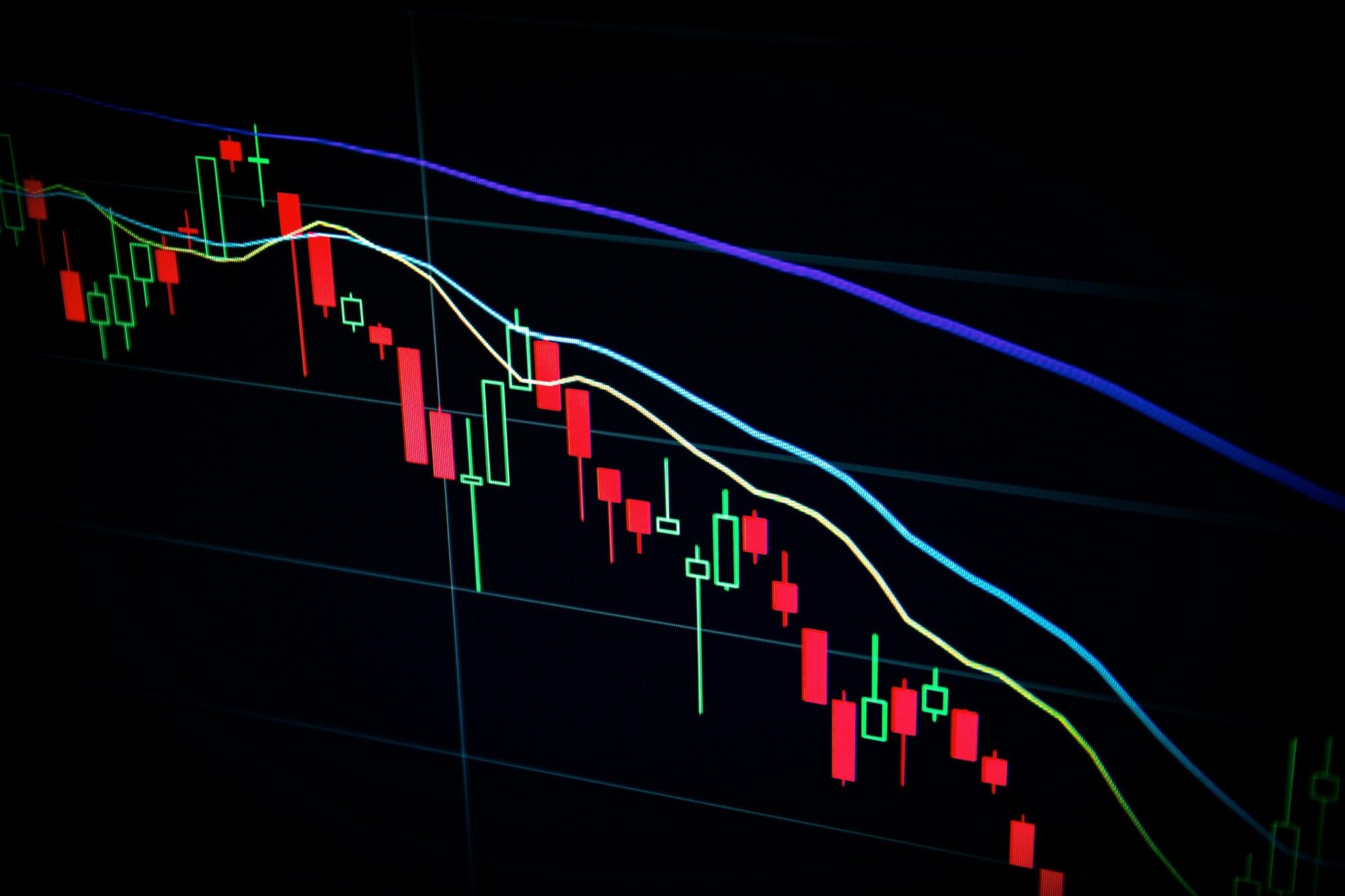
The same day, Reuters reported that SEC enforcement staff were examining potential accounting issues at Nvidia. The stock fell 14% to $125.53. It was the seventh straight losing week, the longest streak since 2008. Nvidia, the most valuable company in the world just weeks earlier, slid to fourth place behind Apple, Microsoft and Alphabet. The Nasdaq fell 5.3% that day.
To be fair, the slide didn't start with the scandal. Investors were already nervous about whether AI data center spending was sustainable, about new competition from Google and AMD, and about midterm results that backed data center moratoriums. The Huang saga poured fuel on a fire that was already burning.
The weekend
At a press conference that Friday, Trump said he'd love to see Huang get a second chance. On Saturday he posted on Truth Social that he hoped the board would rehire him.
According to CNBC, senior government officials briefed Nvidia's board late in the week and told them no national security laws had been broken. That prompted the board to reach out to Huang. They spoke Saturday for the first time since his exit and agreed on his return Sunday. That same Sunday, the Times reported that Alice Huang had been in contact with an officer of China's Ministry of State Security during at least part of the relationship.
Monday: back in the chair
On November 23, the board unanimously reinstated Huang as president, CEO and board member. Its statement said it was satisfied with his candor and ability to lead, and that based on input from senior levels of the US government, it was confident his return posed no national security risk. Trump told CNBC he'd been speaking with the board directly and indirectly, and that Huang did nothing wrong.
Nvidia closed up 31%. The Nasdaq jumped almost 7%.
Why this feels wrong
Look at the pace. A story that had been sitting inside the US government for over a year went public on October 29. Twenty-five days later, the man at the center of it was back in charge, with the same government vouching for him. In between: a confession, three reported affairs, a resignation, a public "never," an abuse exposé, an SEC probe, a fake rival company, a 46% stock collapse and a presidential campaign for his return. Every few days, a new headline. Every headline moved the stock. Nobody had time to absorb one before the next arrived.
We're not going to pretend we know who wanted what. There's no evidence this was coordinated, and we're not claiming it was. But the shape of it raises questions that nobody involved has answered.
If the White House knew about the relationship in fall 2025 and again in May 2026, why did Huang keep flying on Air Force One and get a national medal in October? If the government had nothing to worry about, why did it sit on a classified memo about it? And if it did have something to worry about, how did it reach "no risk" in time to talk to a board over a weekend, while the investigation Nvidia itself commissioned is still running?
Then there's the board. It voted unanimously to accept his resignation. Six days later it publicly ruled out his return. Five days after that it voted unanimously to bring him back. One of those positions was wrong, and nothing in Nvidia's statement explains what changed except the stock price and reassurance from Washington. The weekend the board decided Huang was safe was the same weekend the Times reported his partner had been talking to China's top spy agency. Interactive Brokers strategist Steve Sosnick put it to Reuters in five words: Huang was "too big to be fired."
The obvious defense is that the board did its job. Shareholders were bleeding, thousands of employees wanted him back, and the company risked losing its best engineers. An affair, however messy, is not a crime. All true. But the affair was never the question. The question was whether a foreign intelligence service had a line into the most powerful person in the AI hardware business, and whether he was honest with his own company about it. That hasn't been answered. It's just been declared resolved.
Follow the money
Here's the uncomfortable math. Anyone who sold Nvidia near its October 6 record and bought back at Friday's close of $125.53 dodged a drop of more than 40% and then caught a 31% bounce in a single session. That alone proves nothing. It's just how violent the swings were, and how much money was riding on what turned out to be a private decision, made by a handful of board members over one weekend, after conversations with government officials.
Some trades are already drawing attention. On October 12, more than two weeks before the first Times report, an unnamed trader paid about $8.3 million for a large options bet that Nvidia would fall sharply by January. By the day after Huang resigned, that position showed a paper profit of around $196 million, according to Financial Times calculations reported by The Times. The trader hasn't been identified, and nobody has accused them of anything. Big contrarian bets sometimes just pay off.
The reinstatement set a record of its own. More than 11 million Nvidia options contracts traded on Monday, the most in the stock's history. CNBC's read of the flow was that it was mostly traders repricing volatility rather than a wave of obvious one-sided bets.
Still, the timing is exactly the kind of window regulators exist to watch. The decision was made in private, over a weekend, with input from Washington, and announced before Monday's open. Senator Ruben Gallego called for an investigation into "what stock positions took place before the announcement," and said he wants to know whether anyone in the administration profited from the swings. The administration, for its part, says the government has no evidence Huang did anything unlawful.
So let's be precise. There is no public evidence of insider trading or market manipulation here. Huang went out once and came back once. But when a board is deciding a CEO's fate in phone calls with the White House, and the stock moves by a third the moment it's announced, "trust us" isn't good enough. Someone should check who traded, and when.
The scandal you actually care about
Here's the funny part. The thing that got Huang thrown out, cheating on his wife, is a lousy thing to do to a person, but it's his family's business, not ours. The thing that actually affects most people reading this site never came up once in four weeks of coverage.
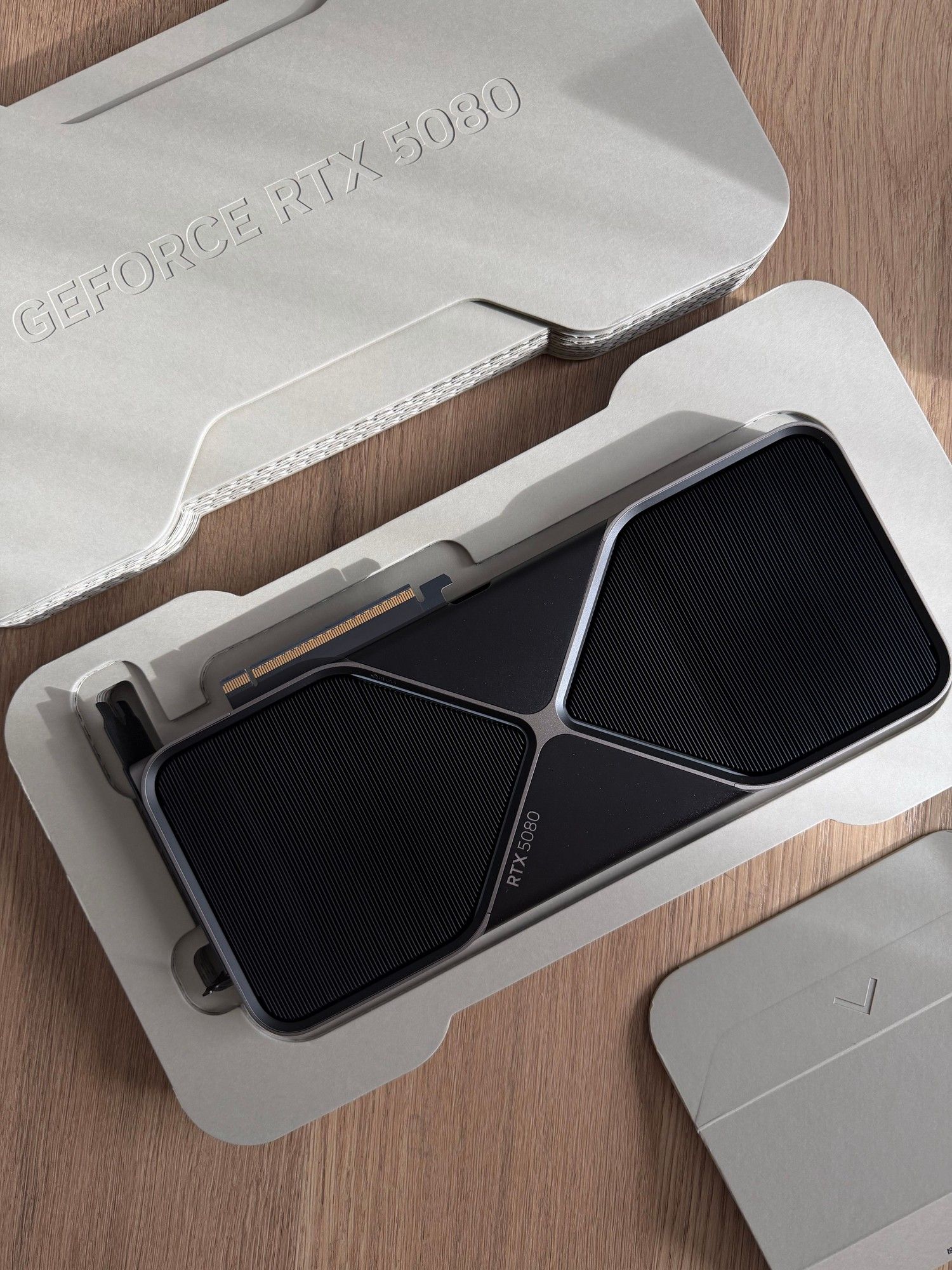
GPUs aren't really for gamers anymore. Of that $115.8 billion quarter, $107.6 billion came from data centers. Gaming is a rounding error now, and the store shelves show it. TechSpot's October price tracking found the cheapest in-stock RTX 5090 in the US at $9,400 against a $1,999 launch price, and the RTX 5080 at $2,200 against $999. Graphics card prices rose about 35% across the three months before that. Distributors in China were reportedly being told to push five-year-old RTX 3060s because current cards were drying up.
Nvidia doesn't set street prices, and the memory shortage behind a lot of this is industry-wide, with AI data centers soaking up the DRAM supply. But Nvidia isn't a bystander. It's the biggest customer driving that demand, and the biggest winner from it. Even Kress admitted on the earnings call that high memory and system prices are hurting consumer PC demand. That was the moment the company said out loud what gamers have known for two years: you're not the customer anymore.
That's the Jensen Huang era in one sentence. One man became the single point of failure for a $4 trillion company, and that company became the single point of failure for the AI economy. When that happens, normal accountability stops working. Boards stop acting like boards and start acting like risk managers for a stock price. Governments vouch for private executives over a weekend. And the people who bought Nvidia cards back when Nvidia actually made them for us are left watching prices climb.
What happens next
Huang is scheduled for a closed-door transcribed interview with three House committees on December 1. Nvidia's general counsel follows on December 2. On December 3, Huang is due to testify publicly as the only witness at a Senate Banking Committee hearing on AI export controls, scheduled by the committee's Republican chair, Tim Scott. Senator Elizabeth Warren called the reinstatement reckless and said the company still owes Congress answers. Commerce Secretary Howard Lutnick is also expected to testify publicly.
Nvidia has also set up a National Security and Export Control Committee on its board and is hiring its first Chief Compliance Officer. Those are the right moves. They'd be more convincing if they'd come before the stock dropped, not after the founder came back.
The Wachtell investigation is still running. The SEC is still looking. Congress is still asking. Jensen Huang is back. And nobody has answered the question that started all of this.